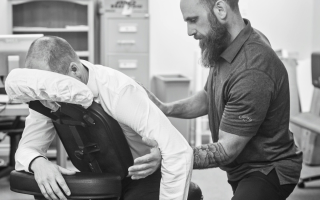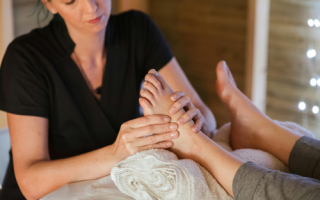
Massage therapy is the stroking, kneading, and pressing of the skin and muscles. There are many different techniques from varying origins used by massage therapists, but the goal of all massage treatment is the same – to address issues such as pain, injury recovery, muscle imbalances and tension.
With more than 250 variations of massage and bodywork therapies available around the world, understandably, it can get a little overwhelming. On this page, we look at some of the most common forms of massage therapy, to help you learn which type of massage might be right for you.
Types of massage
There are many forms of massage therapy, each with its own benefits and suited to target different outcomes. Massage therapy is available for anyone, whether for relaxation purposes, sports recovery or pain relief.
Below are some massage types to explore.
- Aromatherapy massage
- Couples massage
- Deep tissue massage
- Hot stone massage
- Indian head massage
- Lymphatic drainage massage
- Pregnancy massage
- Remedial massage
- Sports massage
- Swedish massage
- Thai massage
Choosing a massage that's right for you
With so many types of massage therapy available, it can be tricky to know what massage you should go for. The type of massage that's best suited to you will depend on what problems (if any) you are experiencing and what you want to achieve.
In this video, massage therapist Laura Dalby explains the different types of massage and their uses to help you decide what type is right for you.
Other types of massage
What might work for one person, may not work for you. Each type of massage will differ in the techniques that are used, so you may benefit from seeking an alternative type of therapy. Other types of massage include:
- Chinese massage
- amatsu therapy
- infant massage
- manual lymphatic drainage
There are a number of other therapies that, while they don’t fall under the category of massage, are also designed to promote relaxation, healing and balance in the body, such as reflexology, acupressure, Reiki and Bowen therapy.
What are the techniques of massage?
There are four fundamental massage techniques that make up all massage therapy styles. These are:
- Effleurage: Smooth, gliding strokes throughout the massage to warm up muscles.
- Petrissage: The lifting, rolling and squeezing of muscles to release tension.
- Friction: Deep circular movements by fingers and thumbs to break down scar tissue, relieving knots and tightness.
- Tapotement: Rhythmic tapping or drumming to stimulate muscles.
The way that these techniques are used in isolation from one-another, or in combination is what then becomes widely recognised as massage styles or ‘types’.
For example, the four most popular massage ‘types’ include Swedish massage, deep tissue massage, lymphatic massage and sports massage. These styles each work with combinations of the above pressure depths and stroke methods to achieve the desired effect for the client. While there are many other types and categories of massage, each offering different benefits for specific ailments, issues, worries, and even different ages, these four are amongst the most common types of massage people talk about.
How much does a massage cost?
Typically, sessions will cost between £25 and £80 per hour. However, the cost of sessions will vary depending on the therapist, location, and the type of treatment.
How many massage sessions will I need to feel results?
To feel the long-term benefits of massage, consistent and regular sessions are needed to keep on top of the progress made on scar tissue, adhesions, blood circulation, endorphin release, muscle recovery, injury prevention and imbalances.
As a general rule of thumb, massage therapists recommend building a regular schedule, advising monthly sessions for those exploring general well-being improvement and more frequent (weekly/bi-weekly) deep tissue manipulation sessions for chronic pain, injury and joint mobility. Regular visits can then taper off to maintenance sessions once you feel as though the root of the issue has been resolved and released.
It’s always important to listen to your body and the way that it is talking to you – if your muscle soreness returns within a few days of your massage, you may need to visit more frequently. However, going too frequently, or opting for too deep or intense of a massage can lead to over-treated muscles.
Most importantly, your chosen massage therapist will be able to tailor your massage plan to your specific needs, and advise you more personally on the regularity of your sessions.
One of my favourite parts is exploring different styles of massage, as each one feels like its own experience and story. Sometimes I choose something deeply relaxing, where every stroke feels like a wave rolling over me. Other times, I’m curious to try something new - perhaps a technique that focuses on pressure points or deeper muscle work.
Jenny Whitaker - Experience as a massage client
Preparing for your massage
Once you’ve decided on the type of massage right for you, you’ll need to find a massage therapist and book a session. But what next?
If you’re worried or unsure of how to prepare for a massage, be sure to ask questions. You may have the opportunity to ask questions during your initial conversation, or you may think of questions nearer the time of your session. Whenever the moment occurs, there’s no shame in contacting the massage therapist to ask. The aim of massage is to relax you – if you need to ask a couple of questions for your own comfort, that’s OK.
A professionally qualified massage therapist will also conduct a consultation with you before treatment begins. This consultation is an essential step that allows the therapist to gather information about your health conditions and other relevant factors. It also provides an opportunity for both you and the therapist to ask questions, ensuring the session and chosen massage style is suited to your needs.
You can also speak to friends and family who have had a massage before but be aware that they may have had a different type of massage, for different reasons.
Of course, the questions you ask will depend on the type of massage you have chosen, and the reasons why you are seeking treatment. However, common concerns include:
What do I wear?
This is a common concern and one that often puts people off the idea of treatment. It can be awkward, not knowing what to expect and indeed, what clothing (and how much of it) you are to wear and what may be removed. The thing to remember is that the therapist is a professional. If you are worried prior to the session, just ask.
Typically, you are required to wear loose-fitting, comfortable clothing for treatment. Some massage types require less clothing (with your modesty protected) while others are fully clothed.
Will oils be used?
Not all massage treatments use oils, but if you’re concerned or have any allergies, be sure to speak to the therapist before the session. Typically oils are used for two reasons. The first is as a lubricant, aiding in the first strokes and movements of the hand to glide on the skin. The second is to promote relaxation through inhalation of the aromas.
Will it hurt?
The pressure applied will vary depending on the type of massage you are receiving and the fundamental strokes involved. Deep tissue massage is more pressure-intense than a hot stone massage, for example. The therapist will explain what to expect at the beginning, but if during treatment you are uncomfortable or the pressure is too firm, speak up.
It's important to tell the massage therapist prior to the session if you have any medical conditions, are pregnant, or have recently had an injury. This way they can amend the treatment to suit you.
Remember, a massage is meant to be a pleasant experience, so enjoy the moment.
Finding a massage therapist
When searching for a therapist, it's important that you check they are suitably qualified to practice. For your peace of mind, professionals must meet the requirements of our proof policy before becoming a member of Therapy Directory. This means they must provide proof of qualifications and insurance or membership with a professional body (such as the Complementary and Natural Healthcare Council).
Searching for a massage therapist can be overwhelming, especially with so many forms of massage available. We encourage all members to fill their profiles with plenty of information so that you can learn as much about the way they work and their experience as possible.
If you feel you would benefit from visiting a massage therapist, you find a massage therapist using our search tool.